

Australia is a nation of water users. Whether it’s due to our climate, penchant for outdoor living or desire to shower multiple times a day during the hot summer months, our water usage is high. Add to this the fact that Australia is the driest inhabited continent with limited water resources and regular climatic issues like droughts and it’s no wonder recycling water is an important practice to help best utilise the water that we do have. As it stands, only 15% of Australia’s urban and industrial water is recycled, not a huge amount in the big scheme of things! Luckily, there are a number of easy ways that everyday Aussie households here on the Northern Beaches can help change this statistic and make recycling water part of everyday home life.
Recycled water in the home usually comes from rainwater or what we term ‘greywater’ which is water collected from the bath, shower or sometimes the kitchen. There are a number of ways you can use both these water sources around your home.
1. Install a rainwater tank
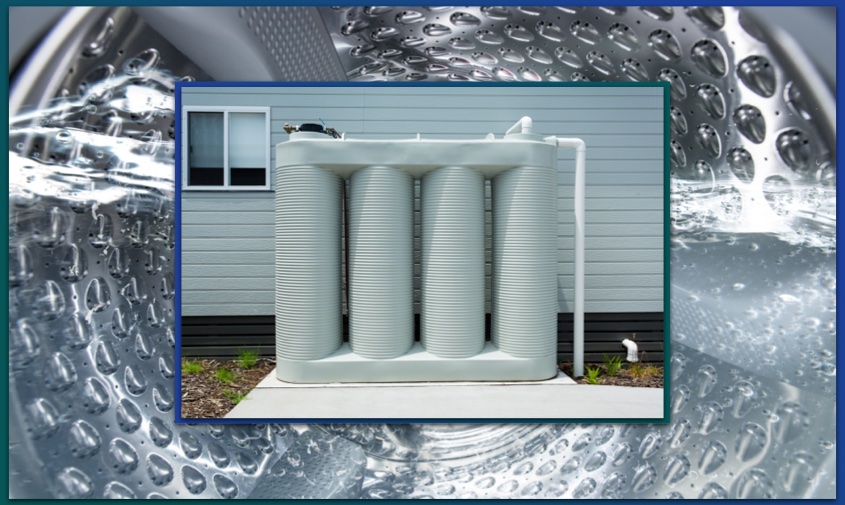
Installing a rainwater tank is probably the easiest way to collect and reuse significant amount of water. Once a fixture only in rural areas, city dwellers are now realising the potential for smaller scale tanks in family homes. The water collected in your rainwater tank can be used for things like watering the garden (great if you’re a keen green thumb!), flushing the toilet and, with a connection installed, doing the laundry! Being that the average Aussie household does 5-6 loads of washing per week and the average washing machine used up to 150L of water per load, using recycled water can make a huge difference to both the environment AND your water bill. Here at Wildwater Plumbing we are able to advise on how a system like this could work in your home. We’re your eco-friendly Northern Beaches Plumbing service. Contact us for more information!
2. Collect your excess
If you’ve ever watched the water spiral down the drain while showering, you’ll know just how much water we literally wash away everyday. Incredibly, it’s estimated that we each use approximately 290 L of water per person, every single day! That’s a lot of H2O. By popping a bucket (sometimes referred to as ‘manual bucketing’ if you want to get technical) over the drain in your shower, you can collect the greywater for use outside on your plants. This type of greywater is considered low risk for outdoor use. Improve the quality by considering using low phosphate or phosphate free products to scrub up.
3. Keep on top of your plumbing
While not necessarily a direct recycling strategy, ensuring that your taps and fixtures are tight and not leaking is a great way to prevent water wastage. A dripping tap can cause a huge loss of water each year and when the fix is as simple as giving us a call, you’d be crazy to keep on listening to that drip, drip, drip! Wildwater Plumbing can also advise on the service, replacement and installation of water efficient tapware which can save up to 90 litres of water per 10 minute shower. With 11 years experience plumbing Northern Beaches, there aren’t many taps we haven’t seen (and can’t help with!)
4. Consider a greywater treatment system
A greywater treatment system can be installed in residential households to provide treated greywater for use in irrigation, toilet flushing, washing machines and for outdoor use. It’s a step up from the rainwater tank solution mentioned above and can be a very effective way of both recycling water and cutting down your water bill. A household has the potential to save between 50,000 and 100,000 litres of drinking water a year by using greywater! The installation of any type of greywater system must be carried out by a licenced and experienced plumber and sometimes require a certificate of approval from your local council. We can help advise you on this and you can also check out the NSW guidelines directly.
For more information on recycling water at home, visit the the Sydney Water and/or the NSW Office Of Water websites. You can also contact us at Wildwater Plumbing, your local, plumbing Northern Beaches specialists for fast, friendly, expert advice on how we can help you save water and keep your home as eco-friendly as possible.