

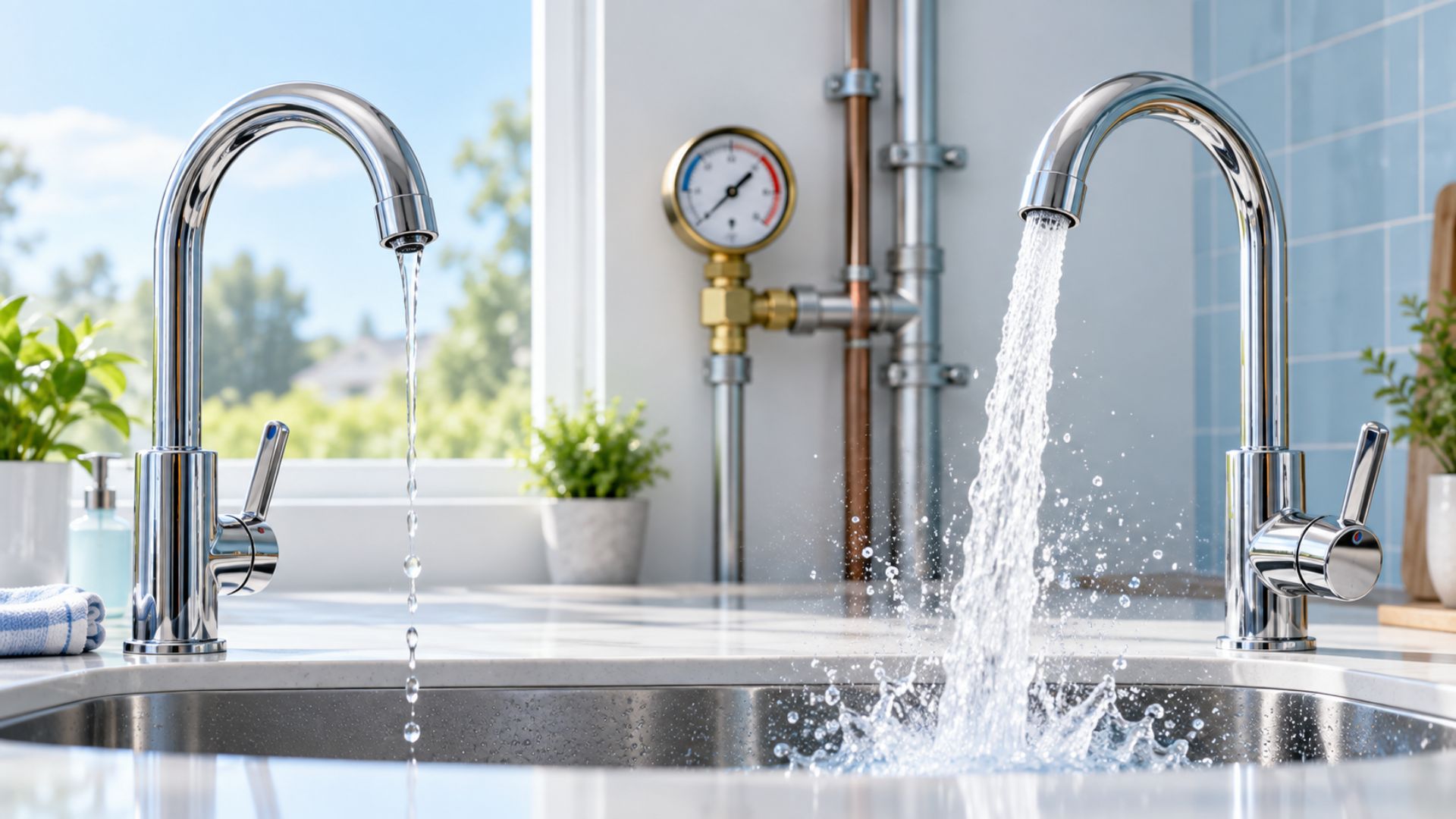
Water pressure is one of those things you may not think about until it becomes a problem. A weak shower, slow-filling washing machine, noisy pipes or taps that splash aggressively can all point to an issue with your home’s water pressure.
At Wild Water Plumbing, we often help homeowners across Sydney, the Northern Beaches, North Shore and Central Coast diagnose water pressure problems before they lead to bigger plumbing damage. Whether your pressure is too high or too low, it is worth getting it checked by a licensed plumber.
Signs Your Water Pressure Is Too Low
Low water pressure can make everyday tasks frustrating. You may notice:
- Showers that feel weak or inconsistent
- Taps that take too long to fill a sink or bath
- Appliances such as dishwashers or washing machines taking longer to run
- Water pressure dropping when more than one tap is used
- Poor hot water flow
Low pressure can be caused by several things, including partially closed valves, blocked filters, old pipework, hidden leaks or issues with the main supply. In some cases, it may be linked to sediment build-up or ageing plumbing that is restricting water flow.
Signs Your Water Pressure Is Too High
High water pressure might seem like a good thing, but it can place extra strain on your plumbing system. Over time, excessive pressure can contribute to leaks, burst flexi hoses, noisy pipes, damaged valves and premature wear on appliances.
Common signs of high water pressure include:
- Banging pipes or water hammer
- Taps that splash heavily when turned on
- Leaking fittings or fixtures
- Toilets or appliances wearing out quickly
- Frequent plumbing issues without an obvious cause
High water pressure can also create risks for hot water systems, washing machines, dishwashers and other connected appliances.
Pressure Limiting Valves and Why They Matter
A pressure limiting valve helps regulate the pressure entering your home. These valves are important because they protect your plumbing system, fixtures and appliances from unnecessary strain.
They can also be relevant for compliance and insurance considerations. If water damage occurs because of excessive pressure, insurers may look at whether the home’s plumbing was properly protected and maintained. Every policy is different, so homeowners should check their own insurance documents, but having pressure professionally assessed is a smart preventative step.
When Should You Call a Plumber?
If your water pressure has suddenly changed, your pipes are noisy, your taps are splashing, or your shower pressure has dropped, it is best to have the issue checked. Guessing can lead to missed leaks, damaged appliances or ongoing frustration.
Wild Water Plumbing can test your water pressure, inspect your system and recommend the right solution, whether that involves adjusting valves, installing a pressure limiting valve, checking for leaks or investigating pipework issues.
Book a Water Pressure Check
Water pressure problems are easy to ignore, but they can be an early warning sign of something more serious. Getting your system checked now can help protect your home, appliances and plumbing from future damage.
Call Wild Water Plumbing today on 0405 692 151 to book a professional water pressure inspection.
Frequently Asked Questions About Water Pressure Problems
How can I tell if low water pressure is affecting one tap or my whole house?
Turn on several taps around your home and compare the water flow. If only one tap or shower has weak flow, the problem may be a blocked aerator, showerhead or faulty fixture. If the pressure is low throughout your home, the issue could involve the main supply, a partially closed valve, ageing pipework or a hidden leak. A licensed plumber can test the system to identify the cause.
Why is my hot water pressure lower than my cold water pressure?
If your cold water pressure is normal but your hot water flow is weak, the problem may be within your hot water system or its associated valves and pipework. Possible causes include sediment build-up, a restricted inlet valve or a faulty tempering valve. A plumber can inspect the system to determine whether servicing or hot water system repairs are needed.
Can I use my water meter to check for a hidden leak?
Yes. Turn off all taps, appliances and irrigation systems that use water, then record your water meter reading. Avoid using any water for at least an hour before checking the meter again. If the reading has increased, it may indicate a leak somewhere on your property. A professional water leak detection service can help locate leaks that aren’t visible behind walls, beneath floors or underground.
What is the maximum water pressure allowed in Australian homes?
Under the National Construction Code, the maximum static water pressure within buildings is generally 500 kPa, although specific exceptions apply. Pressure above this level can place unnecessary strain on pipes, taps, fittings and household appliances. If your water pressure exceeds the permitted level, a licensed plumber can assess whether a pressure limiting valve or another compliant solution is required.
Can a faulty pressure limiting valve cause low water pressure?
Yes. A pressure limiting valve is designed to control incoming water pressure, but if it becomes faulty, restricted or incorrectly adjusted, it may reduce water flow more than intended. If you’ve noticed a gradual or sudden drop in pressure throughout your home, the valve may need checking. Wild Water Plumbing’s general plumbing services include assessing water pressure problems and recommending appropriate repairs or replacements.
Can high water pressure affect my home insurance claim?
Potentially. If high water pressure contributes to a burst pipe, failed fitting or significant water damage, your insurer may consider the cause of the failure, the condition of your plumbing and any relevant policy exclusions. However, not having a pressure limiting valve does not automatically mean a claim will be rejected. Coverage depends on your policy and the circumstances. Having your water pressure professionally assessed can help identify risks and address compliance concerns before damage occurs.
Should I contact my water supplier or a plumber if my whole house loses water pressure?
If water pressure suddenly drops throughout your home, first check whether your main water valve is fully open and whether nearby properties are experiencing the same problem. In Sydney, you can check Sydney Water’s service updates, while Central Coast homeowners can contact Central Coast Council about water supply interruptions. If the supply is normal but your pressure remains low, a licensed plumber can investigate possible problems within your property’s plumbing system.